
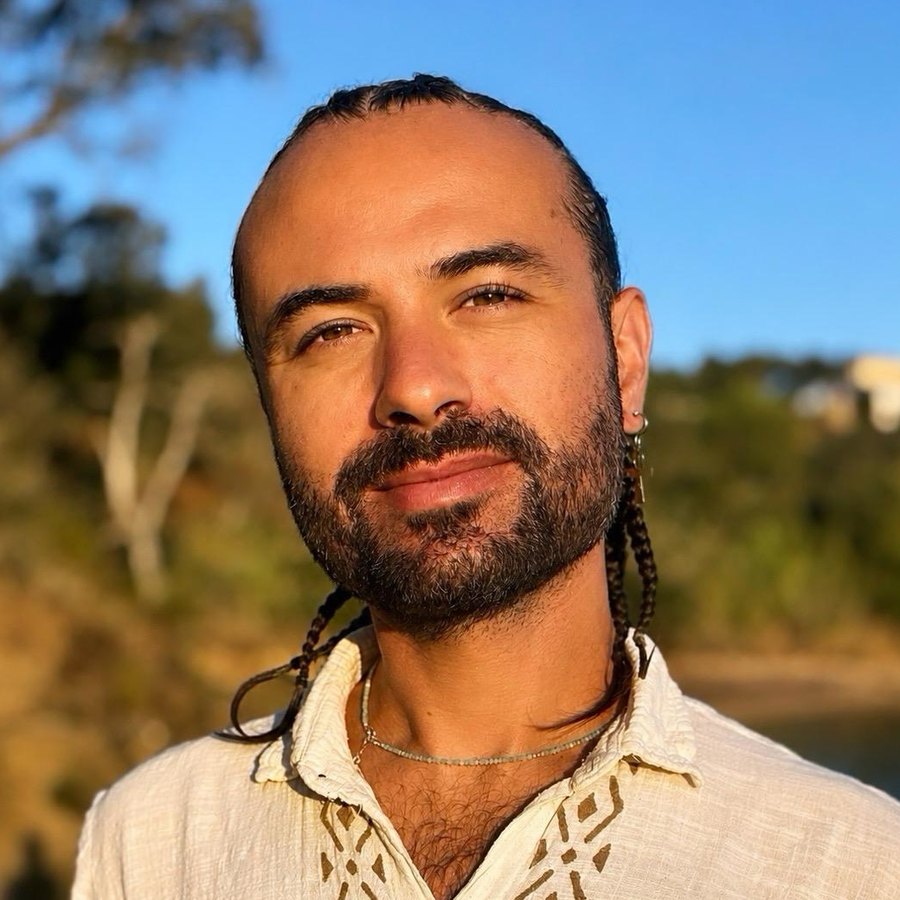
 Thomas Da Silva
In this article
The origins of SamhainWhy celebrate Samhain today?A simple ritual for the night of SamhainA few tipsThe night that prepares the lightOn the evening of 31 October, while the streets fill with pumpkins and costumes, a far older festival whispers beneath Halloween. It is called Samhain, pronounced “sow-in”, and it comes to us from the Celtic peoples. It was the night when summer laid down its arms, when light gave way to darkness, and when the veil between the world of the living and that of the ancestors was said to grow so thin that one could almost cross it.
The origins of Samhain
In Gaelic Ireland and Scotland, Samhain marked the end of the harvest and the entry into the dark half of the year. Herds were brought in, stores were laid up for winter, and great fires were lit around which the community gathered. Many see it as the beginning of the Celtic year: the new year did not begin in the light, but in the dark, like the seed that sprouts under the earth before it appears in daylight.
That night, a place was set at the table for the dead, food was left on the doorstep, and people sometimes disguised themselves to blend in among the passing spirits. Over the centuries, the festival merged with All Saints’ Day and All Souls’ Day, on 1 and 2 November. Then Irish emigrants took it to America, from where it came back to us as Halloween.
Behind the sweets and the masks, the original intention remains deeply moving: remembering those who came before us, and accepting that everything alive passes through cycles of light and shadow.
Why celebrate Samhain today?
We live against the seasons. When nature slows down, we speed up. When the days grow shorter, we switch the screens back on. Samhain invites us to do the opposite: to slow down with the Earth, to go inward, to take stock of what the year has brought us and to let go of what no longer needs to come with us.
It is also a door to reconnect with our lineage. We carry within us the story of those who came before us: their strengths, their talents, sometimes their wounds. This is the whole meaning of work on family constellations and the ancestral memories we encounter in treatment. Taking a moment to honour your ancestors means recognising this bond, thanking it, and choosing what you wish to pass on in turn.
A simple ritual for the night of Samhain
This ritual can be experienced alone, as a couple or as a family, on the evening of 31 October or in the days around it. Allow an hour. There is no right or wrong way to do it: what matters is the sincerity of the intention.
What you need:
- a candle, preferably black, white or orange;
- a few photos or objects that belonged to your ancestors or to loved ones who have passed away;
- seasonal elements: an apple, a small squash, dead leaves, walnuts, chestnuts;
- sage, palo santo or an incense you love;
- a sheet of paper, a pen, and a fireproof container.
1. Prepare the space. Choose a quiet place. On a cloth, arrange the photos, objects and seasonal fruit around the still unlit candle. This altar does not need to be perfect: it simply needs to speak to you.
2. Purify. Light the sage or incense and let the smoke drift through the room, around the altar, then around you. Open a window for a few moments to let the old go.
3. Light the flame of the ancestors. Light the candle. Take a few slow breaths, feet firmly on the ground. Then name, aloud or silently, the people you wish to honour. If you do not know their names, simply address “those who came before me”. Thank them for the life that passed through them to reach you.
4. Take stock. On your sheet, write what this year has taught you, then what you are ready to let go of: a fear, a habit, a grudge, a belief that weighs you down. Take your time. Read it back.
5. Let go. Fold the sheet and burn it in the container, safely, watching the flame transform what you have written. If you cannot light a fire, tear it into small pieces and bury them in the soil of a garden or a pot: the Earth will know what to do with them.
6. Sow an intention. In the silence that follows, set an intention for the dark season that is beginning. Not a goal, but rather a quality you wish to cultivate: patience, gentleness, trust. Cut the apple in half horizontally: you will discover the five-pointed star hidden at its core. Eat one half and offer the other to nature the next day, as a thank-you.
7. Close the ritual. Thank your ancestors one last time and blow out the candle, or let it burn down under your watch. Take a moment before returning to your activities. A warm herbal tea is the best way to come back gently.
A few tips
Never leave a flame unattended, and use a suitable container for the burning paper. If remembering someone who died recently awakens grief that is too raw, go at your own pace: honouring does not mean reliving everything. And if emotions rise in the days that follow, welcome them. It is often a sign that something is settling.
The night that prepares the light
Samhain is not a festival of fear, but a festival of passage. It reminds us that darkness is not an end: it is where roots go deep, where seeds prepare, where we find ourselves again. By lighting a simple candle for those who came before us, we take our place again in the great chain of life. And we enter winter a little lighter, a little more connected.
Treat yourself to a moment of pause
Tailor-made massages, energy treatments and sensory rituals at the Centre Ananda in Cannes, or at home on the French Riviera.